

The biggest misconception about personal training is that it’s only for beginners or people who “don’t know what they’re doing.” In reality, a good trainer meets you where you are and helps you move forward efficiently and safely.
When you start with a trainer, you’re not just hiring someone to count your reps — you’re getting a coach who provides structure, accountability, and expert guidance built around your specific needs.
Here’s what makes that so powerful:
- Personalized programming: A trainer designs workouts tailored to your body, goals, and schedule — something cookie-cutter plans can’t do.
- Accountability: Regular check-ins keep you consistent, even when motivation dips.
- Technique and injury prevention: Proper form reduces risk and maximizes results.
- Progress tracking: You’ll see measurable improvements in strength, mobility, and endurance.
- Sustainable habits: Trainers teach you how to build consistency and confidence that lasts long after the sessions end.
A 2021 study from the Journal of Strength and Conditioning Research found that people who worked with certified trainers saw significantly greater improvements in both strength and adherence compared to those training on their own (source).
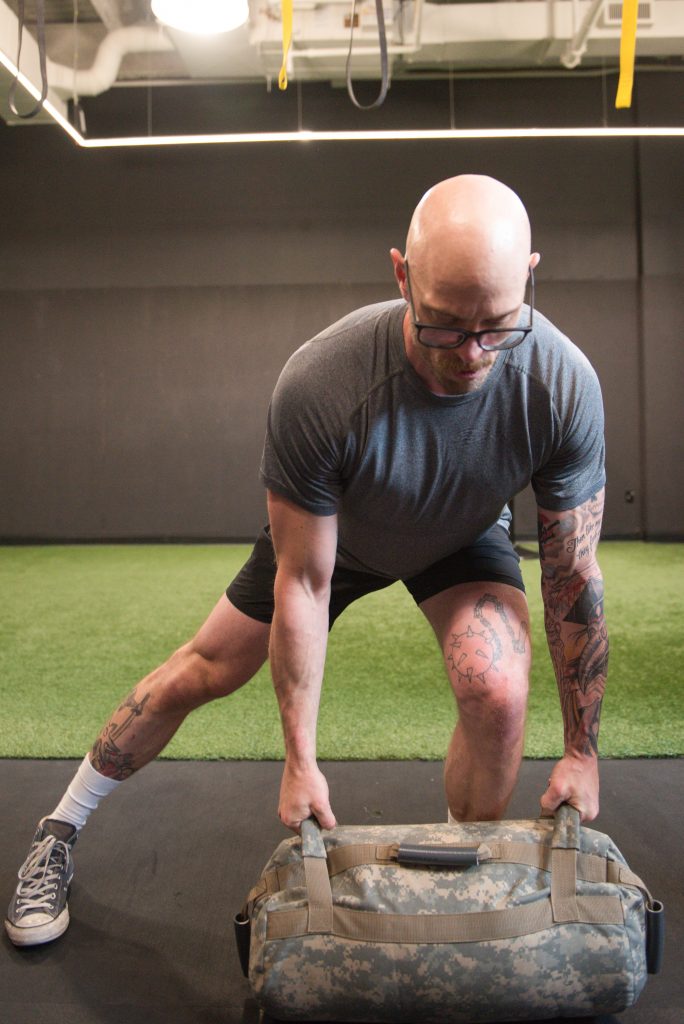
Your First Personal Training Session: What to Expect
Walking into your first session can feel intimidating, but most trainers aim to make it a welcoming experience. The goal is to understand where you’re starting so your program is built on a strong foundation.
Here’s what typically happens:
1. Initial Assessment and Consultation
Your trainer will start by asking about your goals, exercise history, injuries, and lifestyle habits. You might also go through a basic movement assessment or fitness test to identify strengths and imbalances.
At NATEFIT, for example, we use tools like the Styku Body Scan to establish accurate baselines for body composition and posture — data that helps tailor your training program precisely to your needs.
2. Setting Realistic, Measurable Goals
Together, you’ll define clear, realistic goals. A good trainer won’t promise overnight transformations. Instead, they’ll help you create a timeline that balances challenge with sustainability.
3. Your First Workout
Expect your first workout to be foundational — focusing on learning movement patterns, breathing, and stability. You’ll likely do compound exercises like squats, push-ups, or rows with bodyweight or light resistance.
The goal isn’t to exhaust you but to teach you how to move well.
How to Get the Most Out of Your Personal Training Experience
Starting with a personal trainer is an investment — not just of money, but of effort and trust. Here are a few ways to make the most of it:
1. Communicate Clearly and Honestly
Be upfront about your goals, lifestyle, and any limitations. The more your trainer knows, the better they can adapt your plan.
2. Track Your Progress
Use metrics that matter: body composition, strength gains, or how your clothes fit. Your trainer may use periodic re-assessments or digital tracking to show measurable results.
3. Prioritize Consistency Over Intensity
One of my long-time clients started out training just twice a week. Over time, that consistency led to massive improvements — not through extreme workouts, but by showing up regularly.
4. Ask Questions and Stay Engaged
Don’t hesitate to ask why a certain exercise or approach is used. Understanding the “why” behind your plan builds trust and keeps you motivated.
5. Apply What You Learn Outside the Gym
The best progress happens when you carry good habits into your daily life — like prioritizing sleep, hydration, and balanced nutrition.
For more support building those habits, explore our Fitness and Lifestyle Coaching options.
How Long Before You See Results?
Results vary depending on your consistency, effort, and lifestyle. However, most people start noticing changes in:
- 2–4 weeks: Increased energy, improved mood, better movement quality
- 6–8 weeks: Visible changes in body composition or strength
- 12+ weeks: Significant physical transformation and better overall fitness
According to research from the National Institutes of Health, consistent resistance training for 8–12 weeks can lead to significant improvements in muscle mass and metabolic rate (source).
Common Mistakes When Starting with a Personal Trainer
Even with professional help, there are pitfalls to avoid:
- Expecting instant results: Fitness is a long-term process.
- Ignoring recovery: Sleep, nutrition, and stress management matter just as much as workouts.
- Not communicating feedback: If something feels off, say so. Your trainer can adapt.
- Comparing your progress to others: Everyone’s body and timeline are different.
How to Choose the Right Personal Trainer
Not all trainers are created equal. Look for these qualities before committing:
- Certification and education: Ensure they hold credentials from reputable organizations like CSEP or NSCA.
- Experience: Especially with clients who share your goals or limitations.
- Communication style: You should feel heard and supported, not judged.
- Philosophy: Choose someone who emphasizes sustainable progress over quick fixes.
You can learn more about our team and their individual approaches here:
FAQs About Starting with a Personal Trainer
1. How often should I train with a personal trainer?
Most people benefit from 2–3 sessions per week at the start, then transition to independent workouts with occasional check-ins.
2. What should I bring to my first session?
Comfortable workout clothes, water, and an open mindset. Some gyms may also require a towel or indoor shoes.
3. Can a personal trainer help with nutrition?
Many trainers provide general nutrition guidance or habit coaching, though detailed meal plans should come from a registered dietitian.
4. How do I know if my trainer is a good fit?
You should feel supported, motivated, and confident after sessions — not intimidated or confused.
5. What if I have injuries or health conditions?
Always disclose these during your assessment. A qualified trainer will know how to adapt safely and effectively.
Taking the First Step Toward Better Health
Starting with a personal trainer is one of the most effective ways to accelerate your progress and stay consistent long-term. Whether you’re a complete beginner or looking to refine your training, the guidance, accountability, and structure a professional provides can make all the difference.
If you’re ready to take that first step, explore our Fitness and Lifestyle Coaching options, schedule a Styku Body Scan to set your baseline, and meet our team of experienced trainers at NATEFIT.
Check out our Reviews to see how others have transformed their fitness journey with us.
Author Bio
Cliff Krauss, CSEP Certified Trainer with a Bachelor’s in Physical Literacy
Cliff is a Calgary-based personal trainer at NATEFIT. He helps clients build strong, sustainable habits through evidence-based training and personalized coaching. His mission is to simplify fitness so people can live better, healthier lives.
